 Dunfermline Hub
As the season progresses, Dunfermline finds itself in a position where tactical depth is more important than ever. The ambitions for promotion in the Scottish Championship hinge on how astutely the team can adapt to various opponents. Recently, Dunfermline has shown flexibility in formation, adjusting mid-match to gain an upper hand.
In the last few encounters, particularly against perennial rivals Raith Rovers, Dunfermline adopted a 4-2-3-1 formation. This provided a sturdy defensive base while also allowing creativity in the midfield. With players like K. Bray and A. Amade making forward runs, the team displayed the kind of attacking flair needed to break down organized defenses. The interplay was reminiscent of a well-tuned orchestra, each player aware of their role and timing.
This tactical approach was reflected in Dunfermline's recent goal statistics. Over the last five matches, they've netted 12 goals, averaging 2.4 goals per game. This surge in attacking form illustrates how effectively the squad works together, but there remains room for improvement, especially in defensive cohesion when facing counter-attacks.
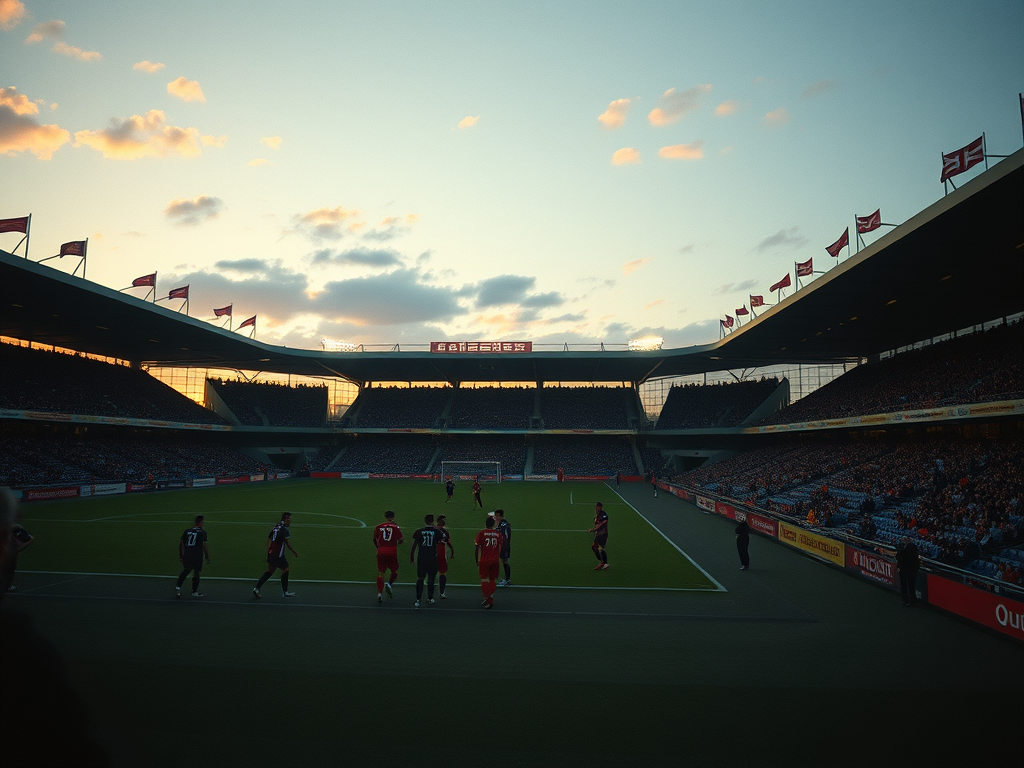
Dunfermline's next challenge will require more than just individual brilliance; effective communication both on and off the pitch will be key. A solid understanding between players like G. Carey and A. Tod can lead to better exploitation of spaces left by the opposition. As they prepare for their encounter next week, under the floodlights at East End Park, fans await to see if the meticulous planning translates into another commanding performance.
With D. Mehmet providing assurance between the sticks, it will be fascinating to watch how the ensemble collaborates to tackle the pressures of competing for promotion. As always, Dunfermline's supporters remain hopeful, their voices echoing through the stands, willing the team forward.